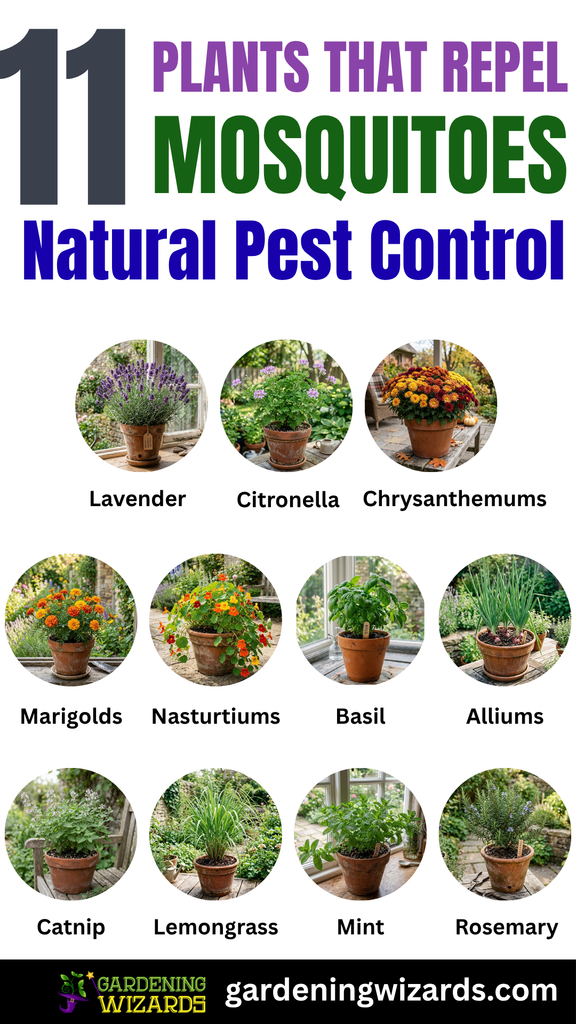
If you’ve ever swatted mosquitoes on your own patio or watched aphids throw a party on your tomato plants, you know the frustration of unwanted bugs. Reaching for a chemical spray is tempting, but there’s a greener option that’s been hiding in plain sight: plants themselves. Certain plants produce scents and oils that insects can’t stand, which means you can turn your garden and home into a natural fortress — no harsh chemicals required.
The best part? Different areas of your home face different pests, and there’s a leafy ally suited to each one. For each plant below, I’ve included a quick grow guide — sunlight, watering, and good companions — so you can build a garden that thrives and defends itself. Let’s take a walk through your space, zone by zone.
Guarding the Entryways
Your doors, porches, and windowsills are the front lines. Stop bugs here, and far fewer make it inside.
Lavender
Lavender is a superstar at entryways. Its lovely scent relaxes us but repels moths, flies, and mosquitoes. A few pots flanking your front door look beautiful and do quiet work.
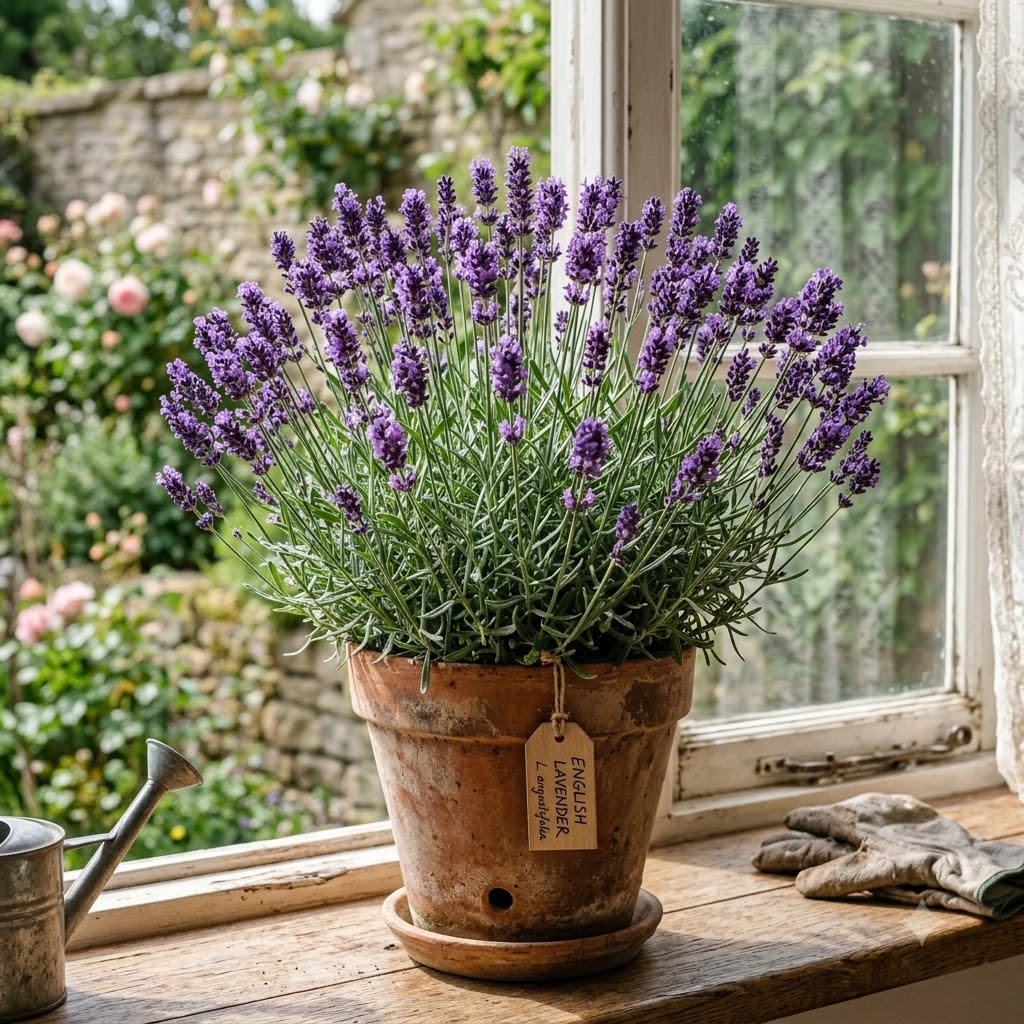
Sun: Full sun, 6+ hours — the more the better.
Water: Drought-tolerant once established; let the soil dry out between waterings, since soggy roots are lavender’s biggest killer.
Plant with: Rosemary, thyme, and sage, which share its love of dry, sunny conditions; it also famously protects roses from aphids.
Citronella
Citronella (the “mosquito plant”) is another classic. It works best when you brush against the leaves and release its oils, so plant it where people pass by.
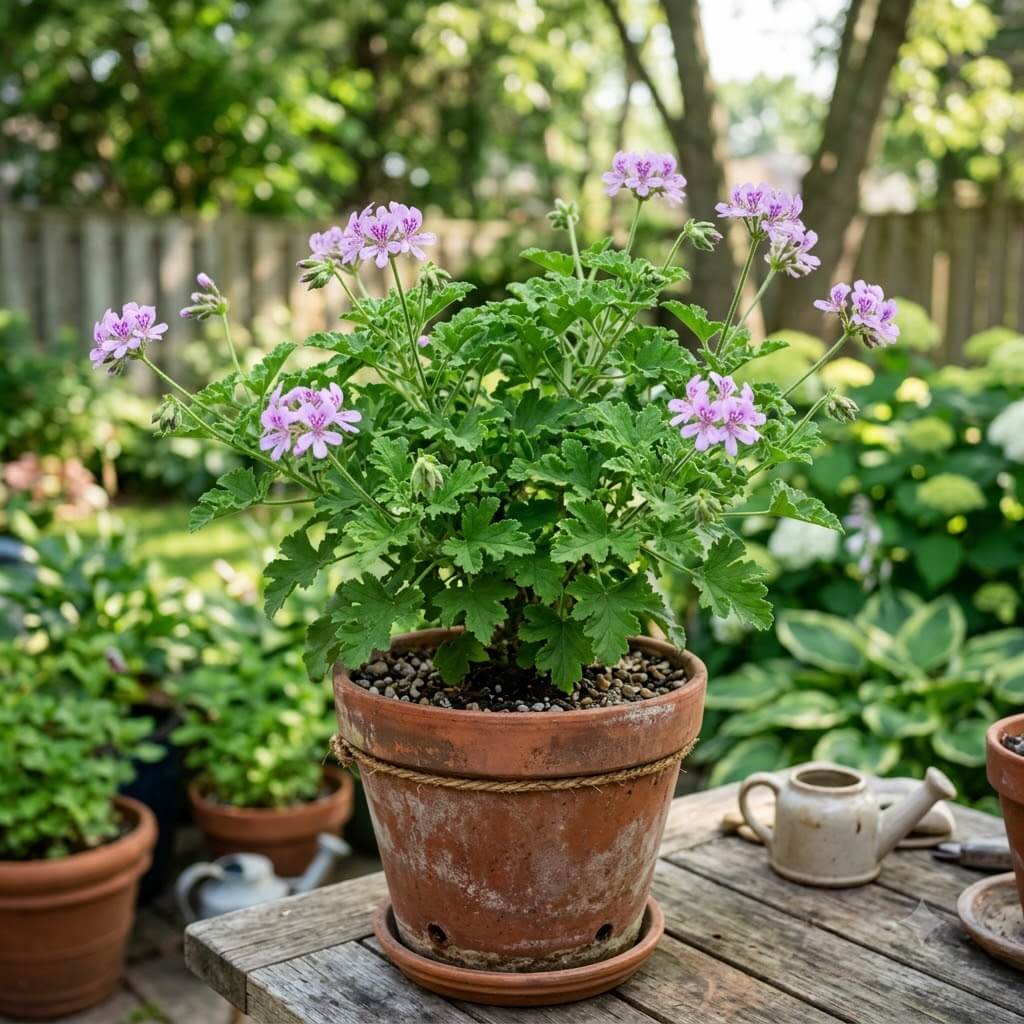
Sun: Full sun to light afternoon shade.
Water: Keep the soil lightly moist — water when the top inch feels dry, but don’t let it sit wet.
Plant with: Marigolds and basil; in cold climates, grow it in a pot you can bring indoors over winter.
Rosemary
Rosemary rounds out the trio: this hardy herb deters mosquitoes and cabbage moths, and you’ll always have a sprig for the roast chicken.
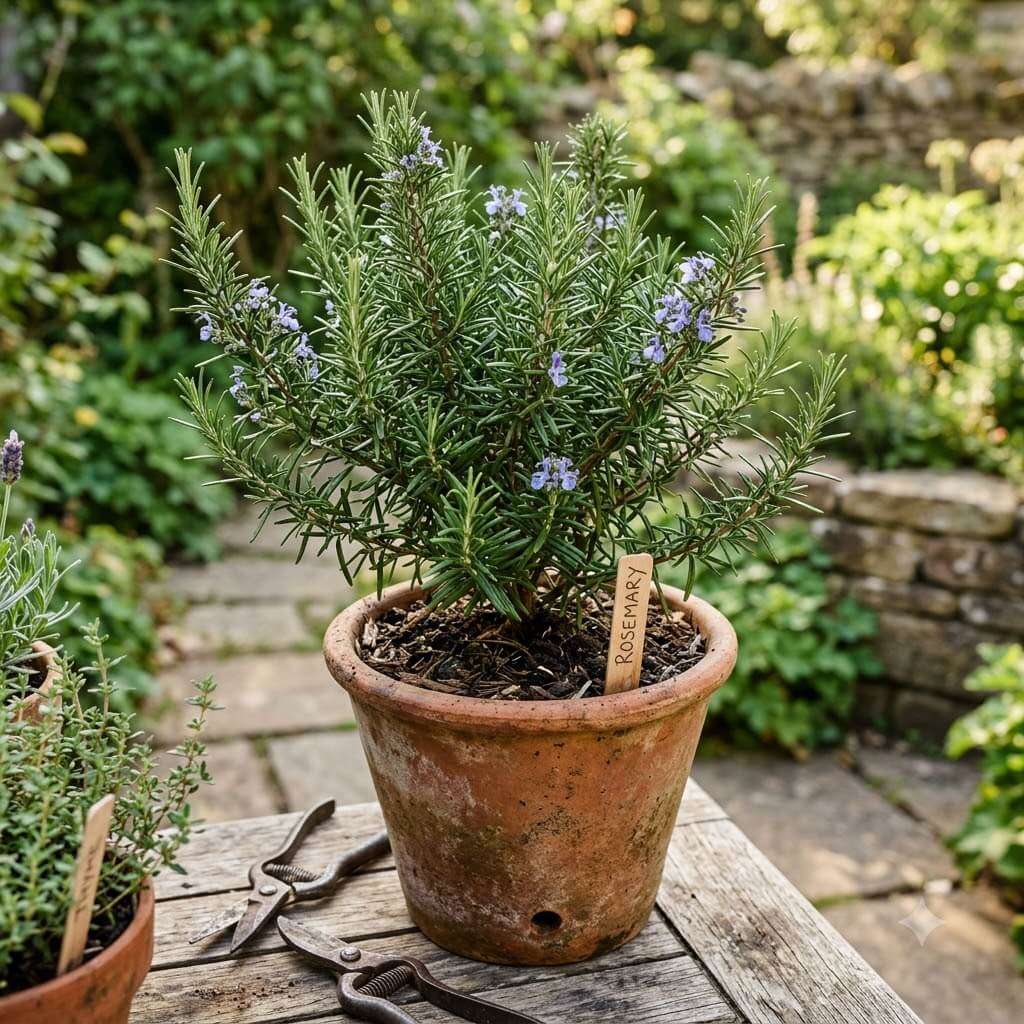
Sun: Full sun, 6–8 hours.
Water: Very drought-tolerant; water only when the top inch or two of soil is dry.
Plant with: Cabbage, beans, and carrots (it confuses the pests that hunt them). Keep it away from basil, since the two want very different watering routines.
A quick, honest note: these plants help, but they aren’t force fields. Growing lavender near your door reduces bug traffic; it won’t create a bug-proof bubble. Pair them with good habits like fixing window screens for the best results.
Protecting the Vegetable Patch
Here’s where pest-fighting plants really shine, through a practice called companion planting — tucking protective plants among your edibles so they defend the crops you actually want to eat.
Marigolds
Marigolds are the MVP of the veggie garden. Their roots release compounds that suppress root-knot nematodes in the soil, and their scent helps deter aphids and whiteflies above ground.
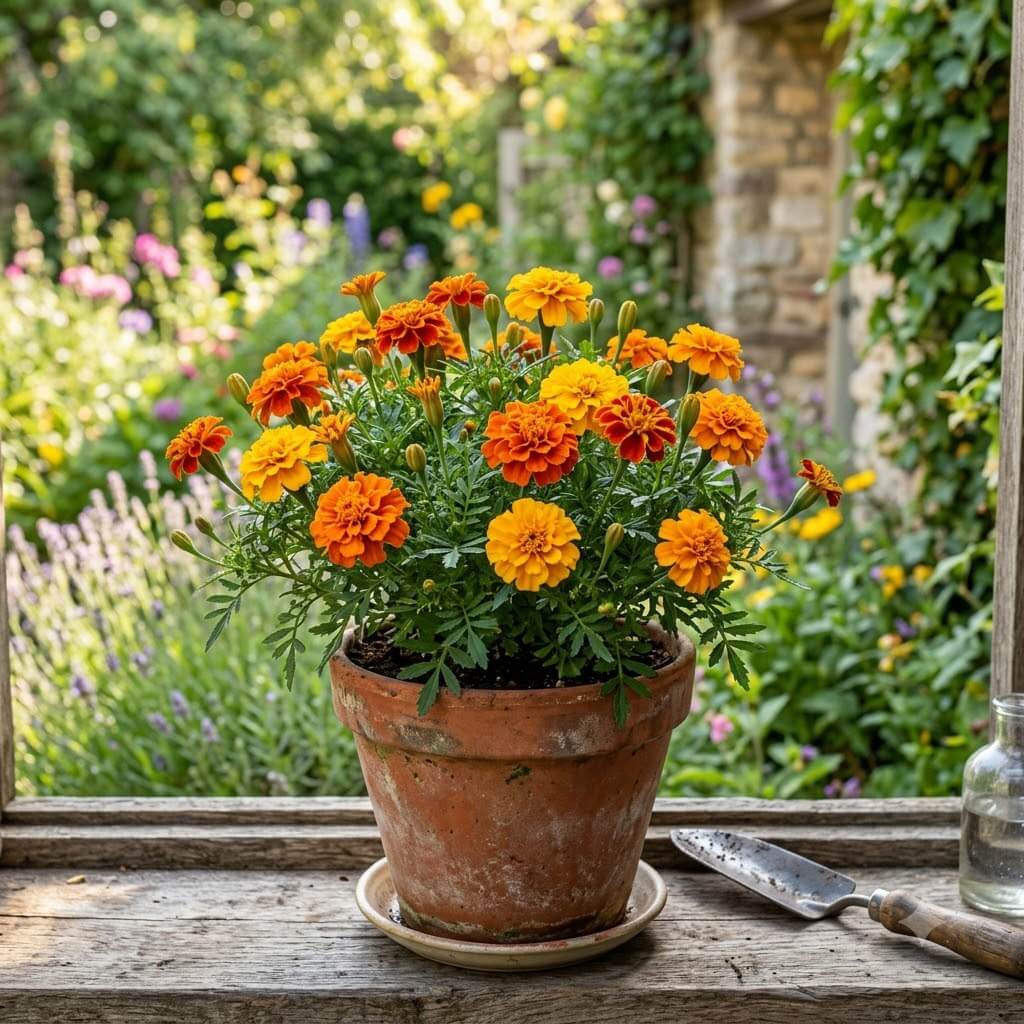
Sun: Full sun.
Water: Water at the base when the topsoil dries; they’re fairly drought-tolerant and dislike wet foliage.
Plant with: Tomatoes, peppers, cucumbers, and squash — marigolds are welcome almost anywhere in the vegetable bed.
Nasturtiums
Nasturtiums play a clever role as a “trap crop” — aphids and caterpillars flock to them instead of your vegetables.
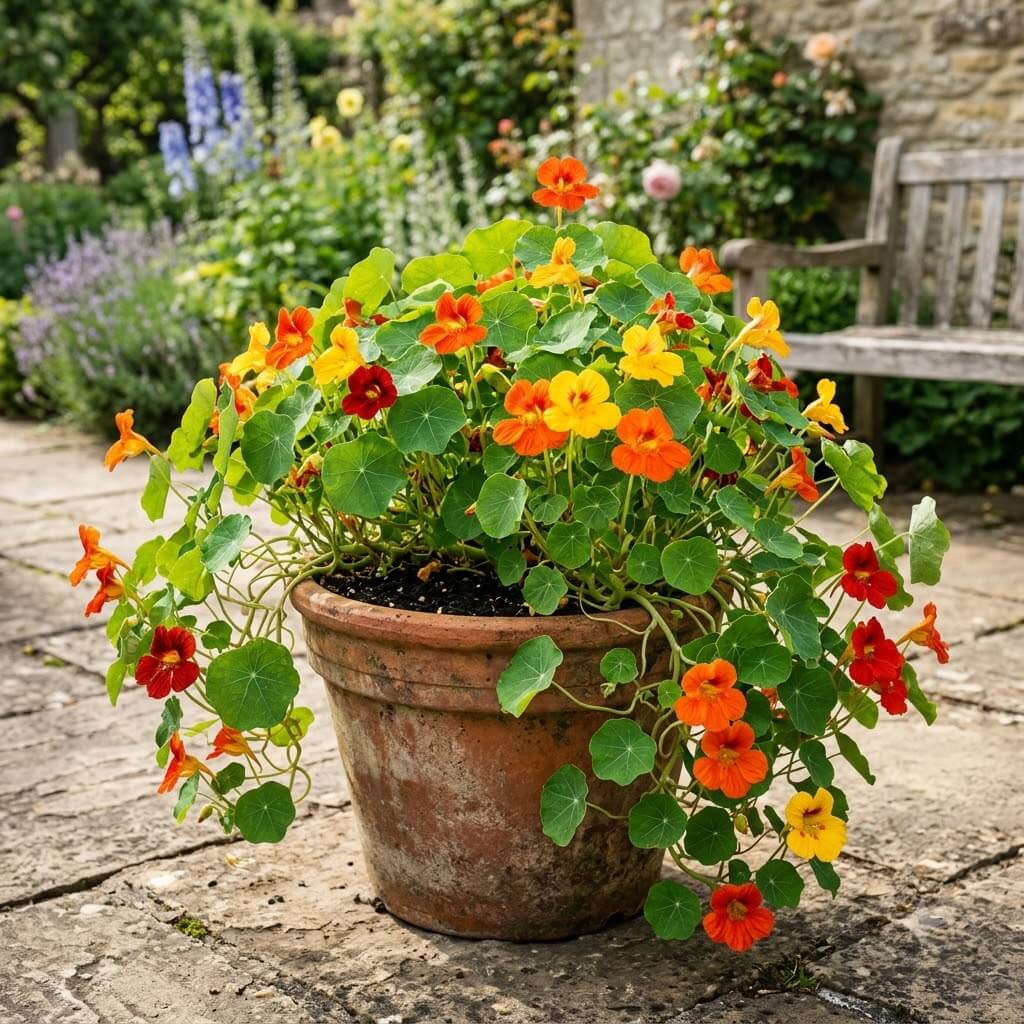
Sun: Full sun to partial shade.
Water: Water regularly, but don’t fuss over rich soil; poor soil actually gives you more flowers and fewer floppy leaves.
Plant with: Cucumbers, squash, beans, and brassicas like kale and broccoli.
Basil
Basil planted near tomatoes is a time-honored pairing that helps keep whiteflies and hornworms at bay (and the two taste wonderful together).
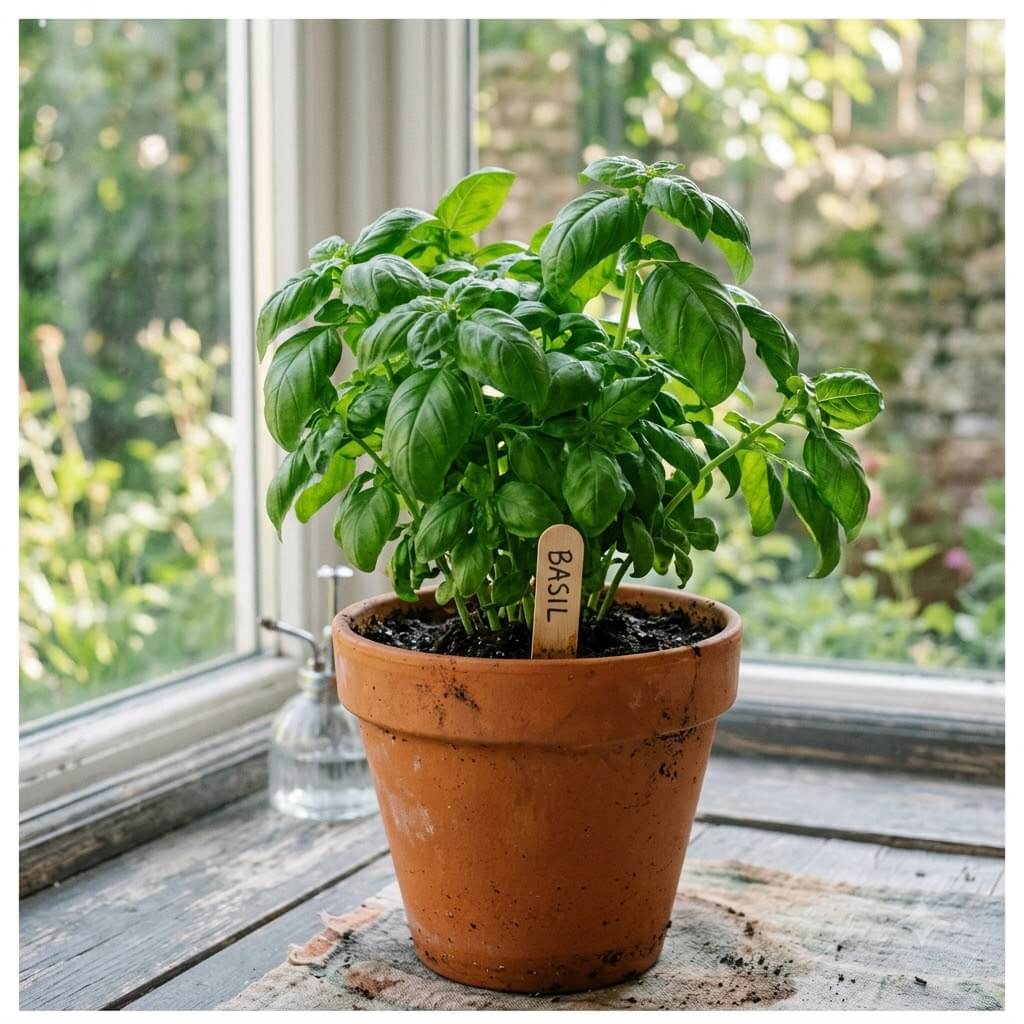
Sun: Full sun, 6–8 hours.
Water: Keep the soil consistently moist — water when the top inch is dry, and don’t let it wilt.
Plant with: Tomatoes and peppers, its classic bedfellows, plus oregano.
Allium family
Don’t overlook the allium family — garlic, onions, and chives. Their pungent aroma confuses and repels aphids, carrot flies, and even some beetles.
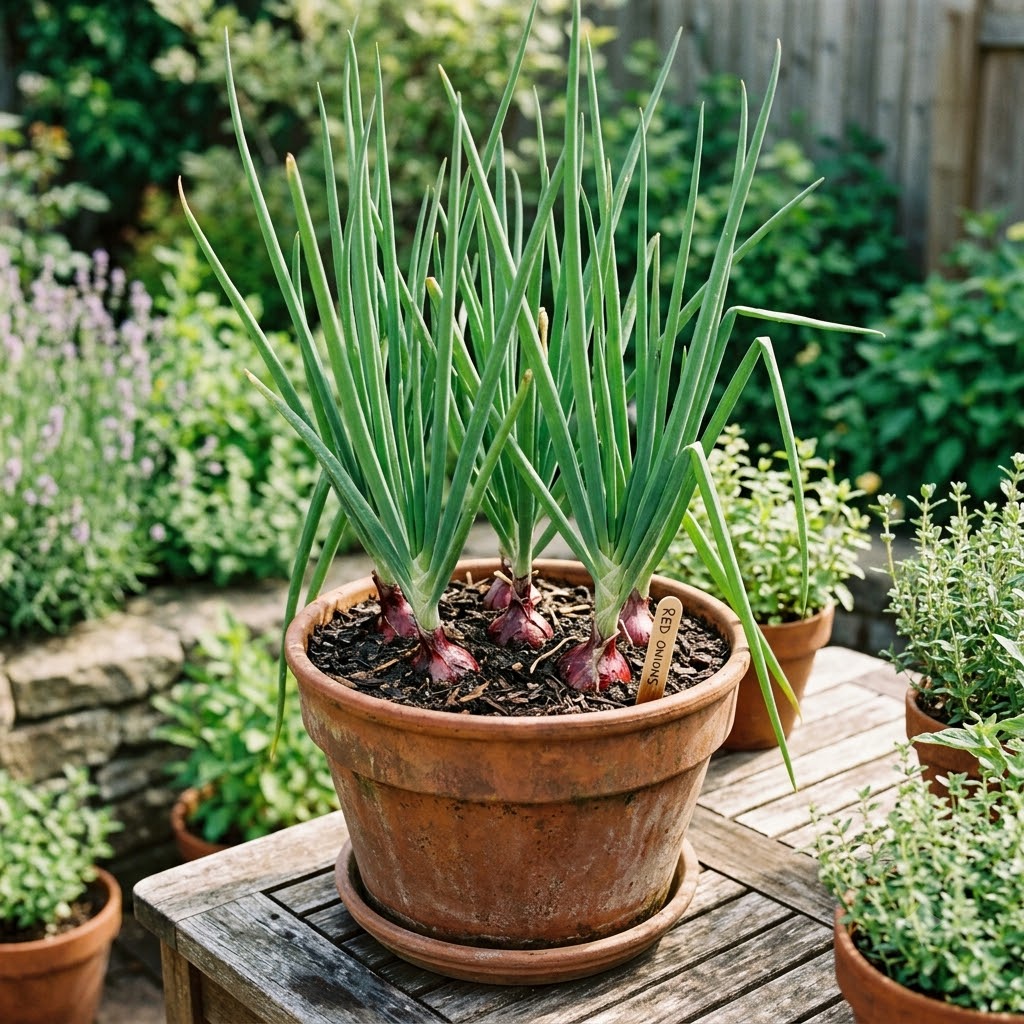
Sun: Full sun.
Water: Even, moderate watering; ease off as garlic and onion bulbs mature and the tops begin to yellow.
Plant with: Carrots, tomatoes, and roses. One caution: keep alliums away from beans and peas, whose growth they tend to stunt.
The Patio and Outdoor Living Zone
What good is a lovely patio if you can’t sit on it without getting eaten alive? A few strategic plants make outdoor hangouts far more pleasant.
Catnip
Catnip deserves special mention — the compound that gives it its punch can be surprisingly effective at repelling mosquitoes. Just be prepared for the neighborhood cats to become fans of your patio.
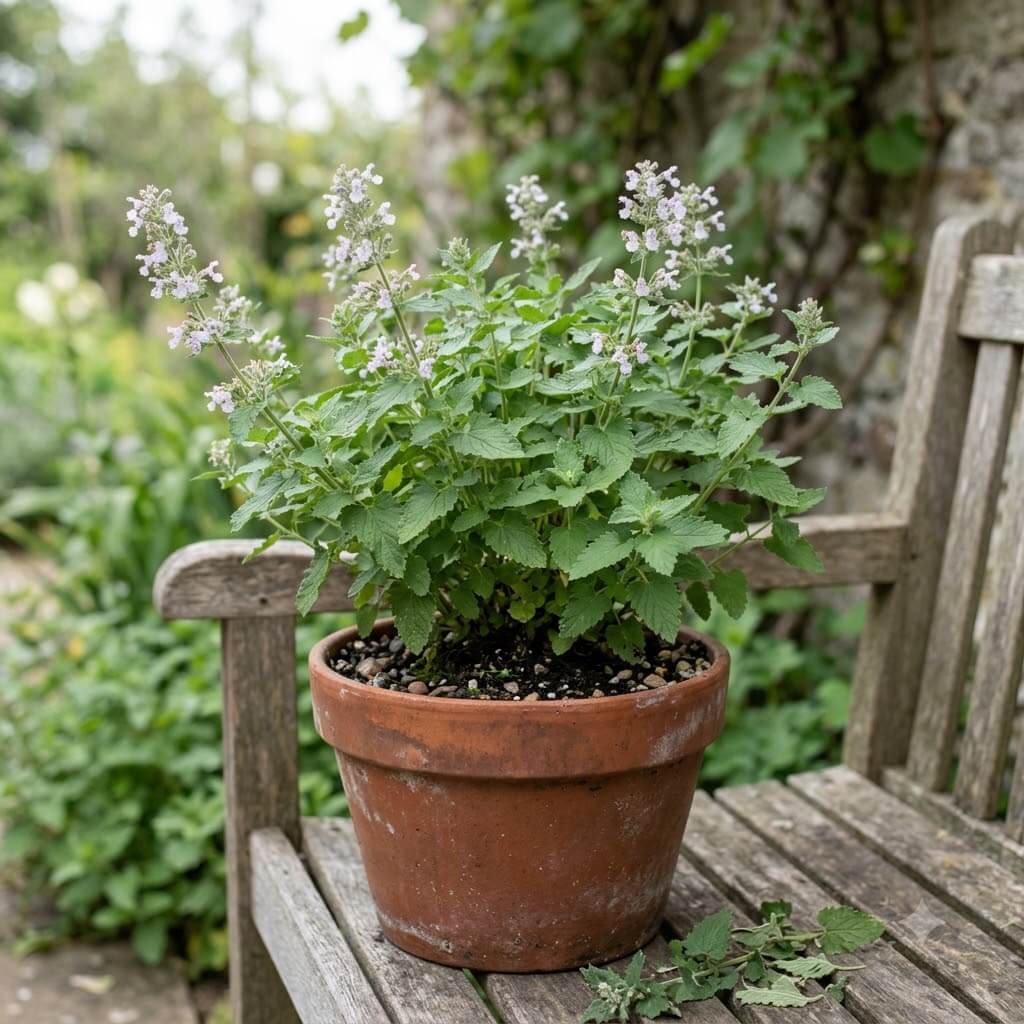
Sun: Full sun to partial shade.
Water: Drought-tolerant; let it dry out between drinks.
Plant with: It’s a mint relative, so give it room or a container of its own; it also draws beneficial insects when placed near the vegetable garden.
Lemongrass
Lemongrass, a cousin of citronella, brings a fresh citrusy scent that mosquitoes dislike, and it doubles as a cooking ingredient.
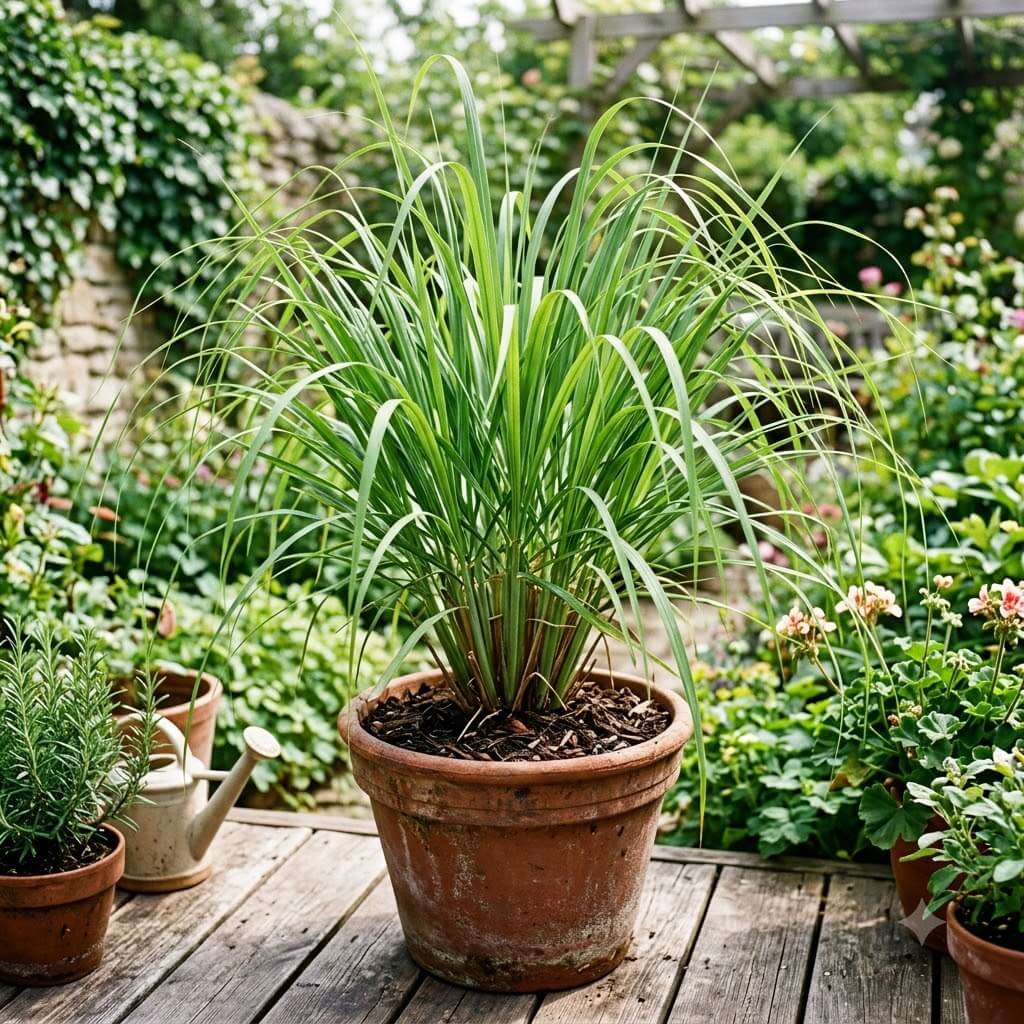
Sun: Full sun.
Water: Likes consistent moisture — water regularly and don’t let it dry out completely.
Plant with: It’s happiest as a standalone clump in a large pot, which also lets you overwinter it indoors in cold regions.
Mint
Mint helps keep ants, flies, and mosquitoes moving along — but plant it in a pot, please, because it spreads aggressively if you set it loose in a bed.
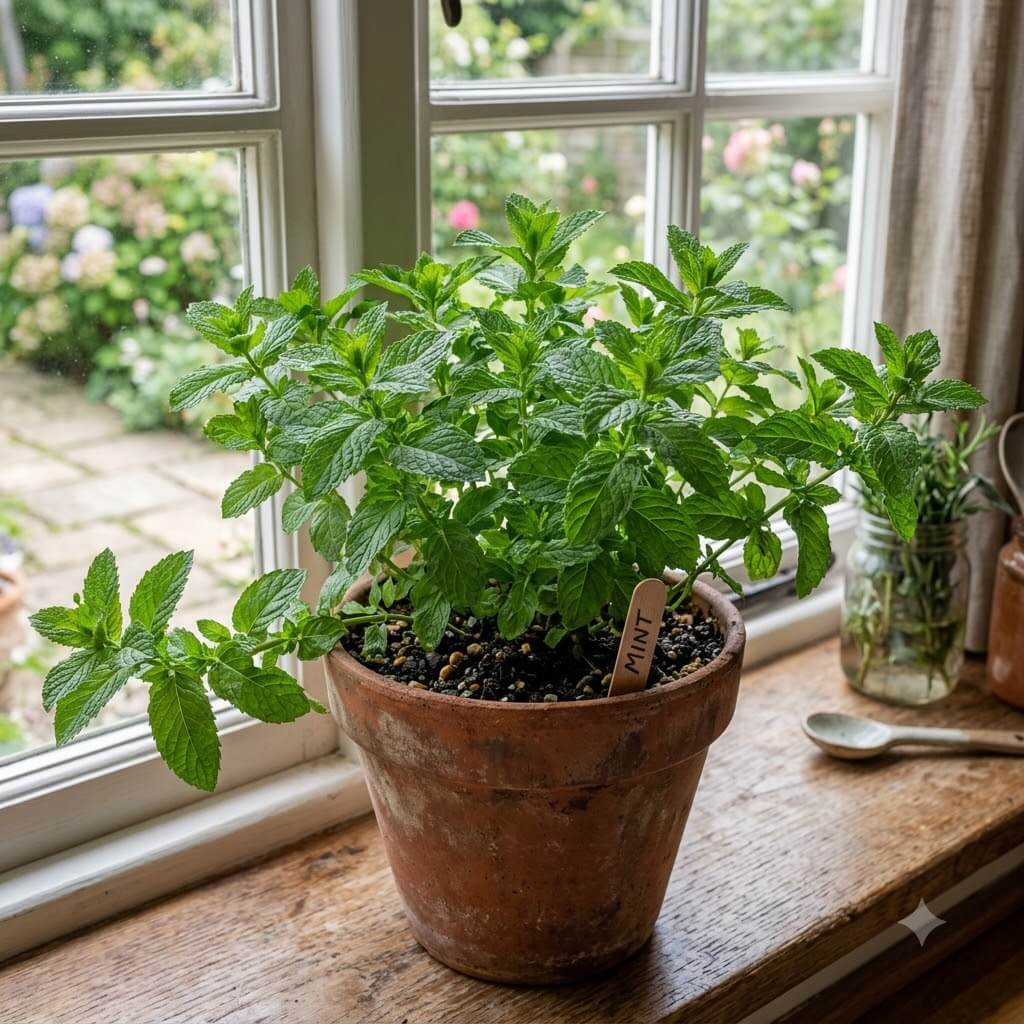
Sun: Partial shade to full sun.
Water: Keep the soil evenly moist; mint likes more water than most herbs.
Plant with: Tomatoes and cabbage benefit from it nearby — just keep it contained so it doesn’t bully its neighbors.
Cluster these in containers around your seating area, and crush a leaf now and then to boost the effect when guests arrive.
Indoor Helpers
Pests don’t stop at the threshold, so let’s bring a few allies inside. Potted plants on your kitchen counter or windowsill can quietly discourage the critters that sneak in.
Basil on a sunny kitchen windowsill does more than flavor your pasta — it helps deter flies and mosquitoes right where they gather. Indoors, give it the brightest windowsill you have and water when the top inch dries.
Mint works indoors too, discouraging the ants that march in looking for crumbs. A small pot near entry points helps break up their trails; keep it in a spot with bright, indirect light and steady moisture.
Rosemary and lavender both transition happily to indoor pots and keep working their anti-moth magic, which your sweaters will appreciate. Both want your sunniest window and a “let it dry, then water” routine — indoor overwatering is the most common way people lose these two.
For a slightly more exotic option, chrysanthemums contain pyrethrin, a compound used in many natural insecticides, and can help deter roaches, ants, and silverfish.
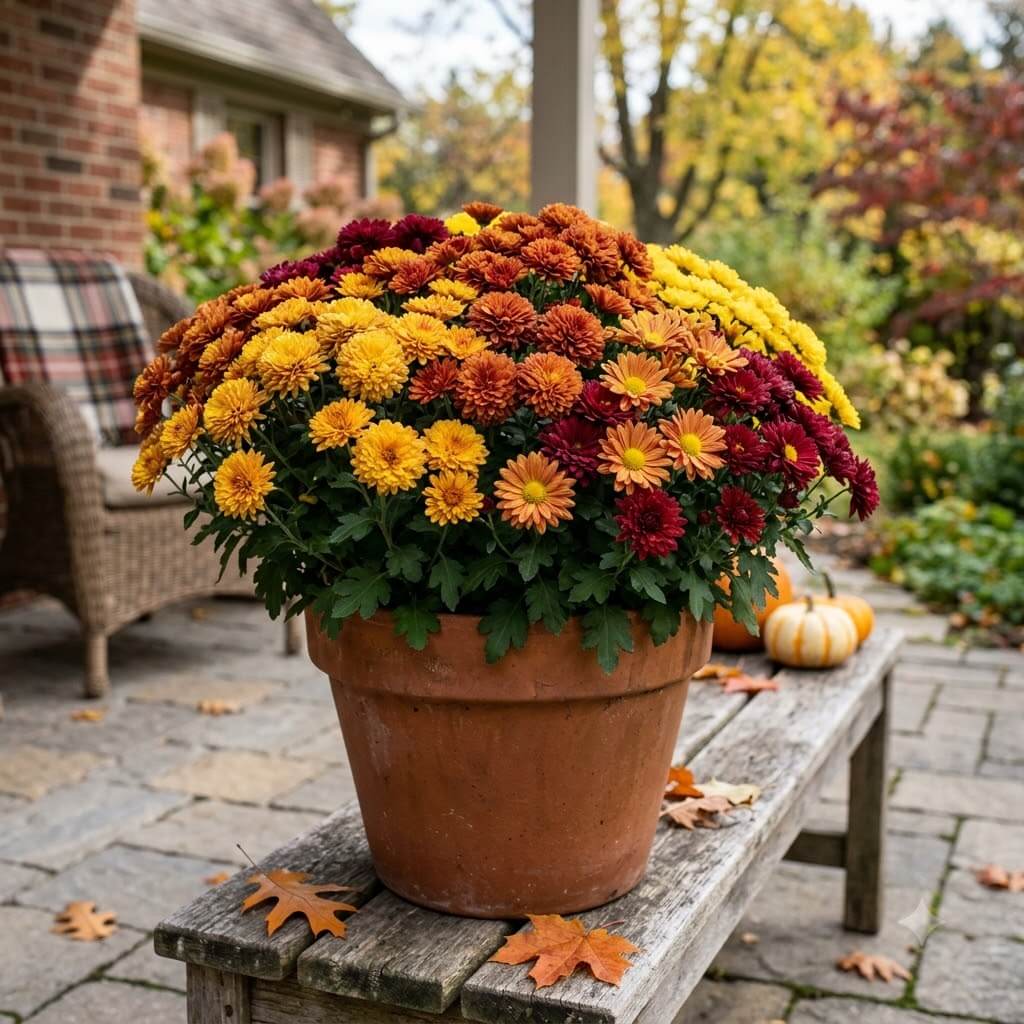
Sun: Bright light — a south-facing window indoors, or full sun outdoors.
Water: Keep the soil evenly moist but never waterlogged.
Plant with: They’re best as a feature pot of their own, and they need a bit more attention than the herbs, so they suit gardeners ready to fuss a little.
Keep in mind that indoor plants need good light and airflow to stay healthy — a stressed plant won’t repel much of anything.
A Few Ground Rules for Success
Before you rush out to the garden center, a couple of realistic expectations will set you up to win:
- Think barrier, not battle. These plants reduce and discourage pests rather than wiping them out overnight. Combine several for a layered defense.
- Scent is the weapon. Most work through their aromatic oils, so brushing, crushing, or simply having more of them nearby amplifies the effect.
- Right plant, right place. A sun-loving herb stuck in a dark corner won’t do its job. Match each plant to the light and water it needs — that’s the whole game.
- Pets matter. A few of these plants (certain alliums, for instance) can be toxic to cats and dogs, so double-check before planting if you have furry roommates.
Your Whole-Home Green Defense
The beauty of this approach is that it works with nature instead of against it. Start small — maybe a pot of basil on the windowsill and a couple of marigolds in the veggie bed — and build from there as you learn what thrives in your space. Zone by zone, you’ll be surprised how much a few well-placed, well-tended plants can do, all while filling your home with greenery, fragrance, and fresh herbs for the kitchen.
Your turn: Which corner of your home needs defending first? Drop a comment below and tell me which leafy ally you’re planting — and if you found this helpful, check out our related guide on starting your first herb garden. Happy planting! 🌿