
Think about how much time you spend in your bedroom. Between sleeping, getting ready, and those lazy weekend mornings, it’s easily a third of your life. So why not make it a space that actually helps you recharge?
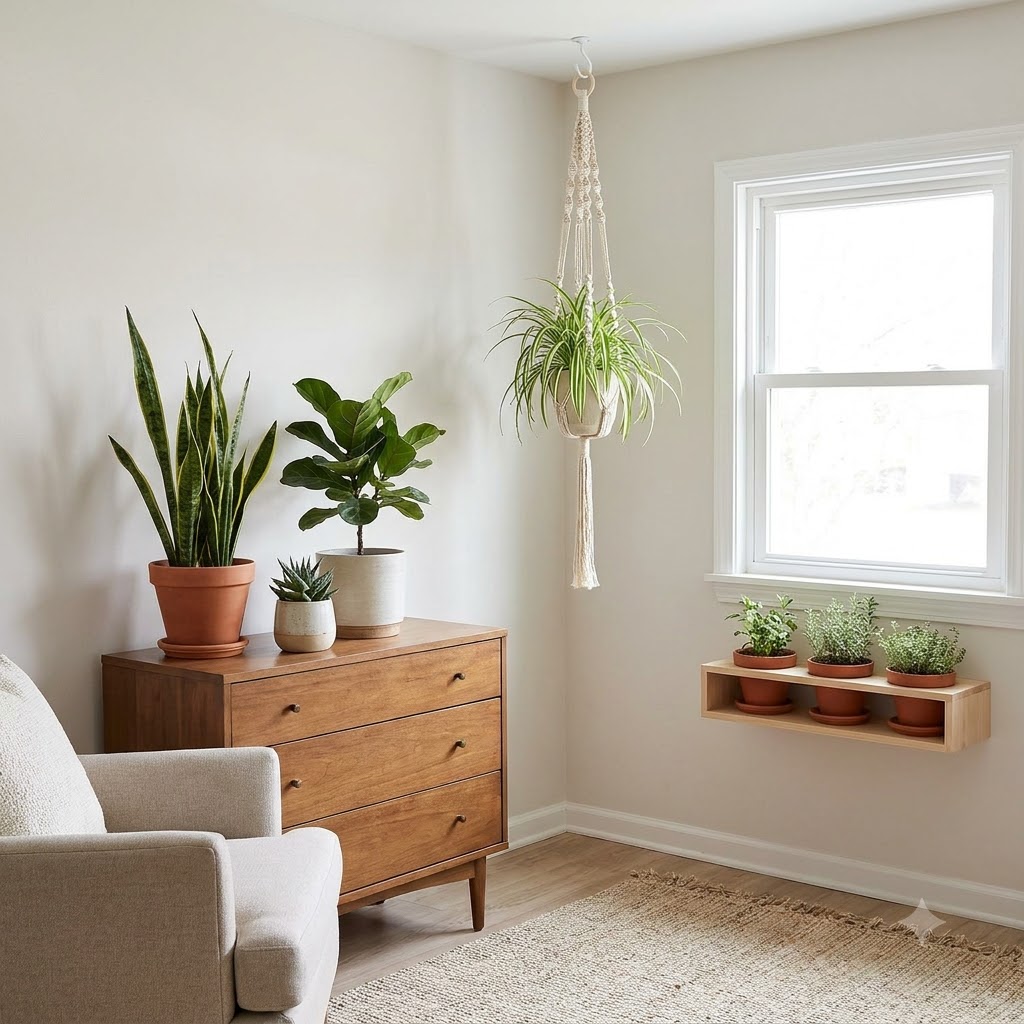
Adding a few plants is one of the simplest, cheapest ways to do it. The right greenery can make your bedroom feel calmer, fresher, and a lot more like a retreat than a place where laundry piles up. In this guide, we’ll cover seven of the best bedroom plants, plus how to style them and keep them alive without turning plant care into a second job.
What Plants Can (and Can’t) Do for Your Health
Let’s clear up one thing first. You’ve probably heard that houseplants “purify the air.” That idea comes largely from a 1989 NASA study done in small, sealed chambers. Later research found that in a real home, you’d need an unrealistic number of plants to make a noticeable difference in air quality. A cracked window or a good air purifier will do far more.
So what can plants do? Quite a lot, actually. Many release moisture into the air, which can help if your bedroom feels dry, especially in air-conditioned or heated rooms. Studies have also linked indoor greenery to lower stress and a better mood. And some plants have scents associated with relaxation. In short, plants won’t replace your HVAC system, but they can make your bedroom a genuinely more pleasant place to unwind.
The Plant List: 7 Picks for a Healthier Bedroom
1. Snake Plant
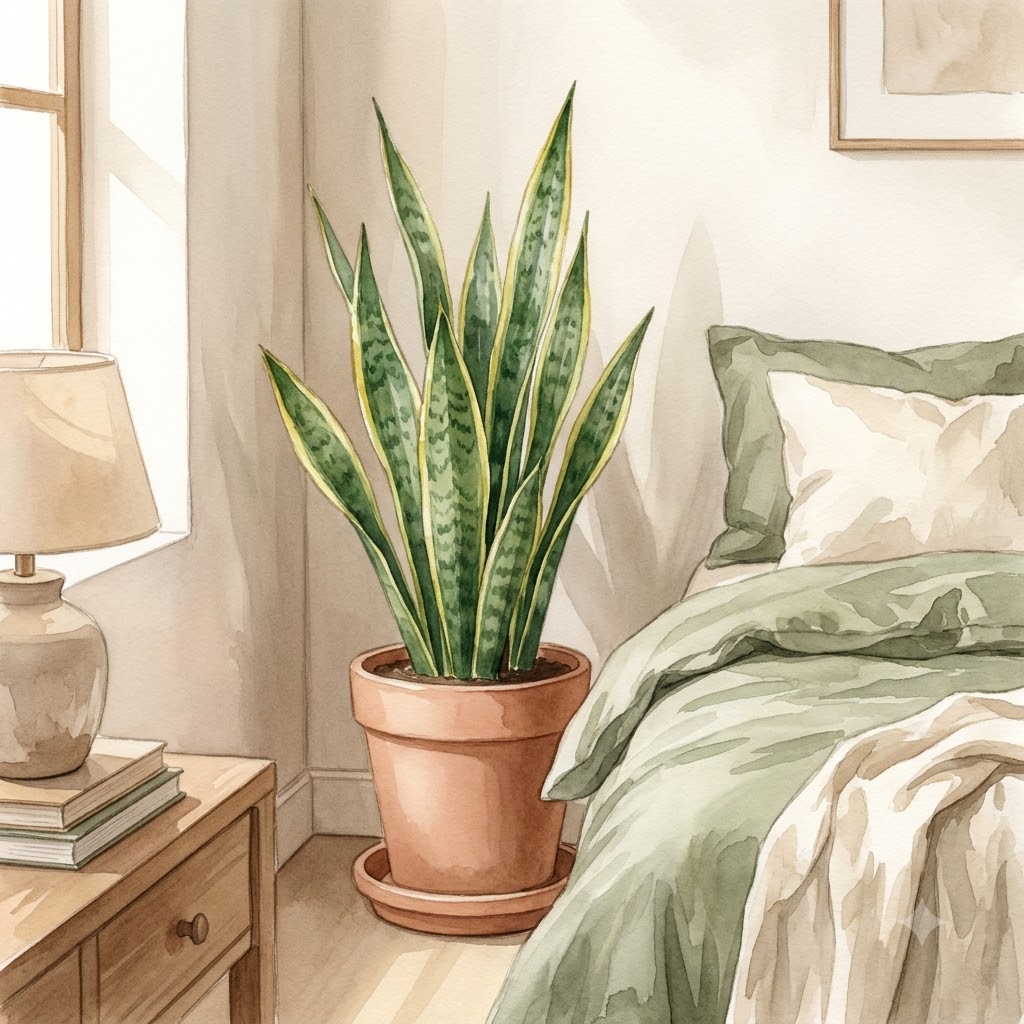
This is the ultimate beginner plant. Snake plants tolerate low light, need water only every two to three weeks, and are very hard to kill. They’re also one of the few plants that release oxygen at night, though the effect is small.
Best for: busy people and forgetful waterers.
Note: toxic to pets.
2. Lavender
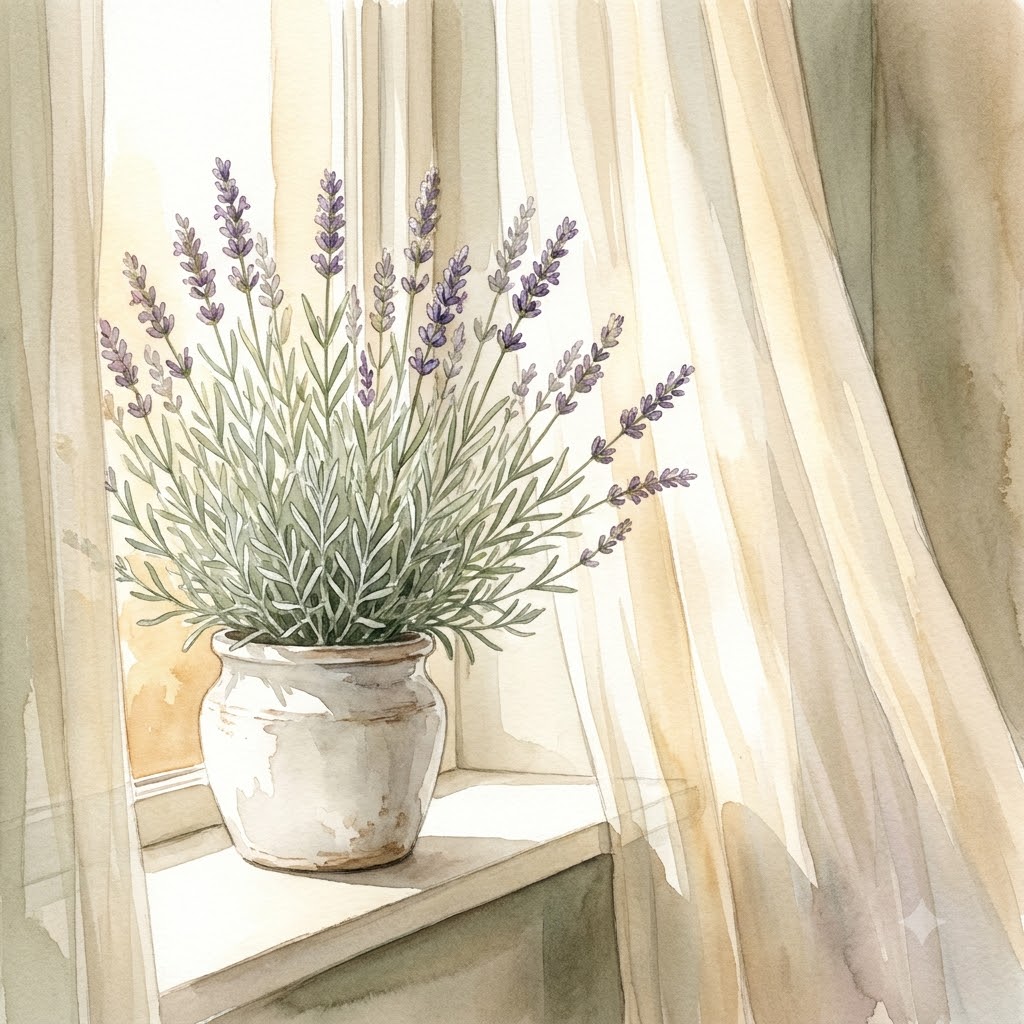
Lavender’s scent is widely associated with relaxation, and some studies suggest it may help people feel calmer before bed. The catch is that it needs plenty of sun, so place it in your brightest window.
Best for: anyone building a calming bedtime routine.
Note: mildly toxic to cats and dogs.
3. Peace Lily
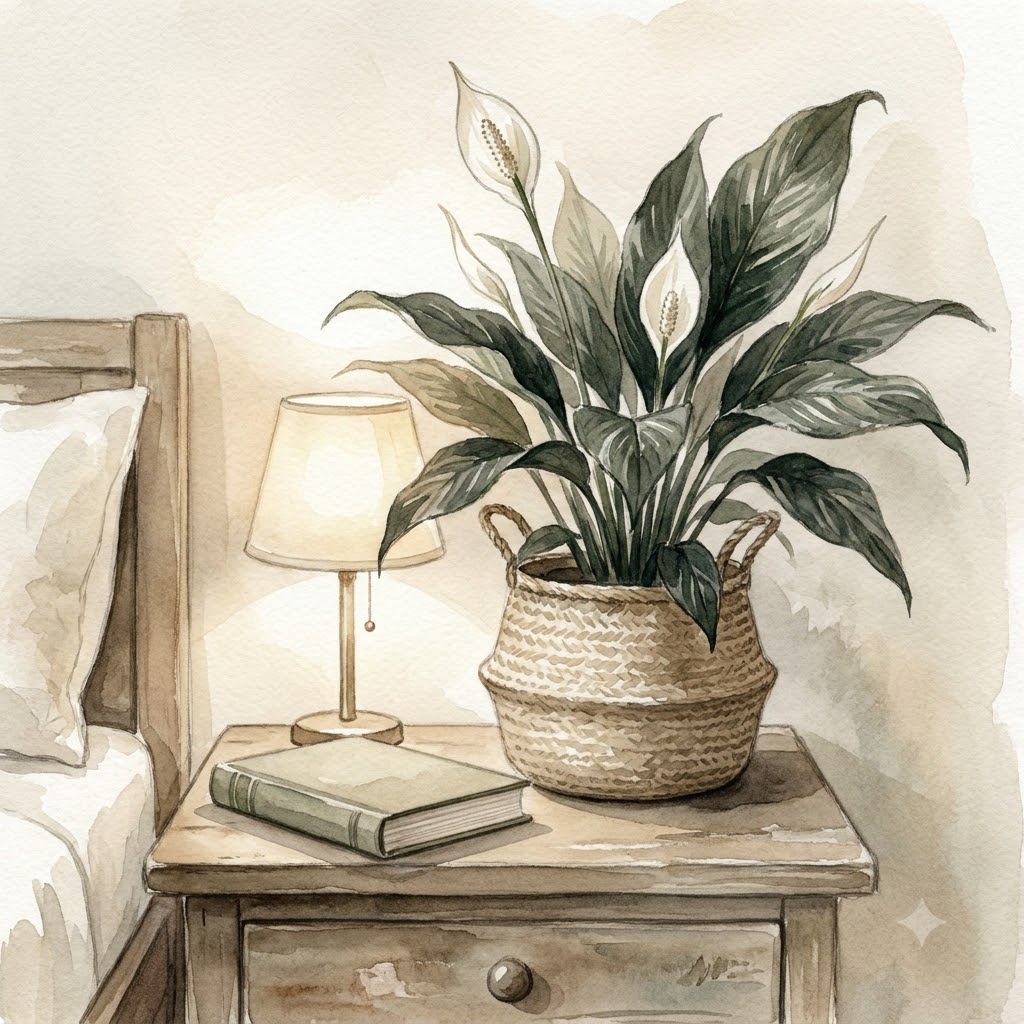
With glossy leaves and elegant white blooms, the peace lily adds a soft, spa-like feel. It handles lower light well and droops dramatically when thirsty, so it basically tells you when to water.
Best for: rooms with limited sunlight.
Note: toxic to pets.
4. Pothos
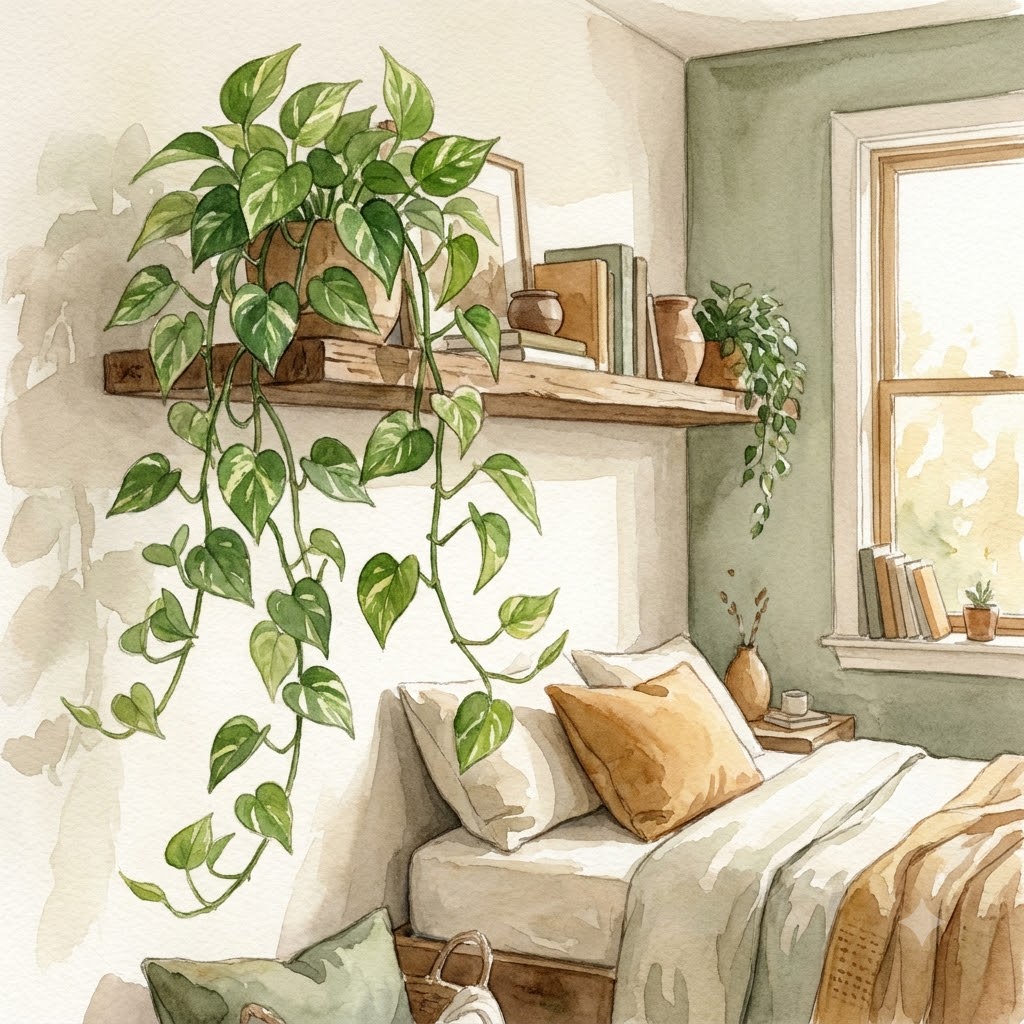
Pothos is fast-growing, forgiving, and gorgeous trailing off a shelf or dresser. It’s happy in medium to low light and bounces back quickly if you forget it for a while.
Best for: adding lush greenery with almost no effort.
Note: toxic to pets.
5. Aloe Vera
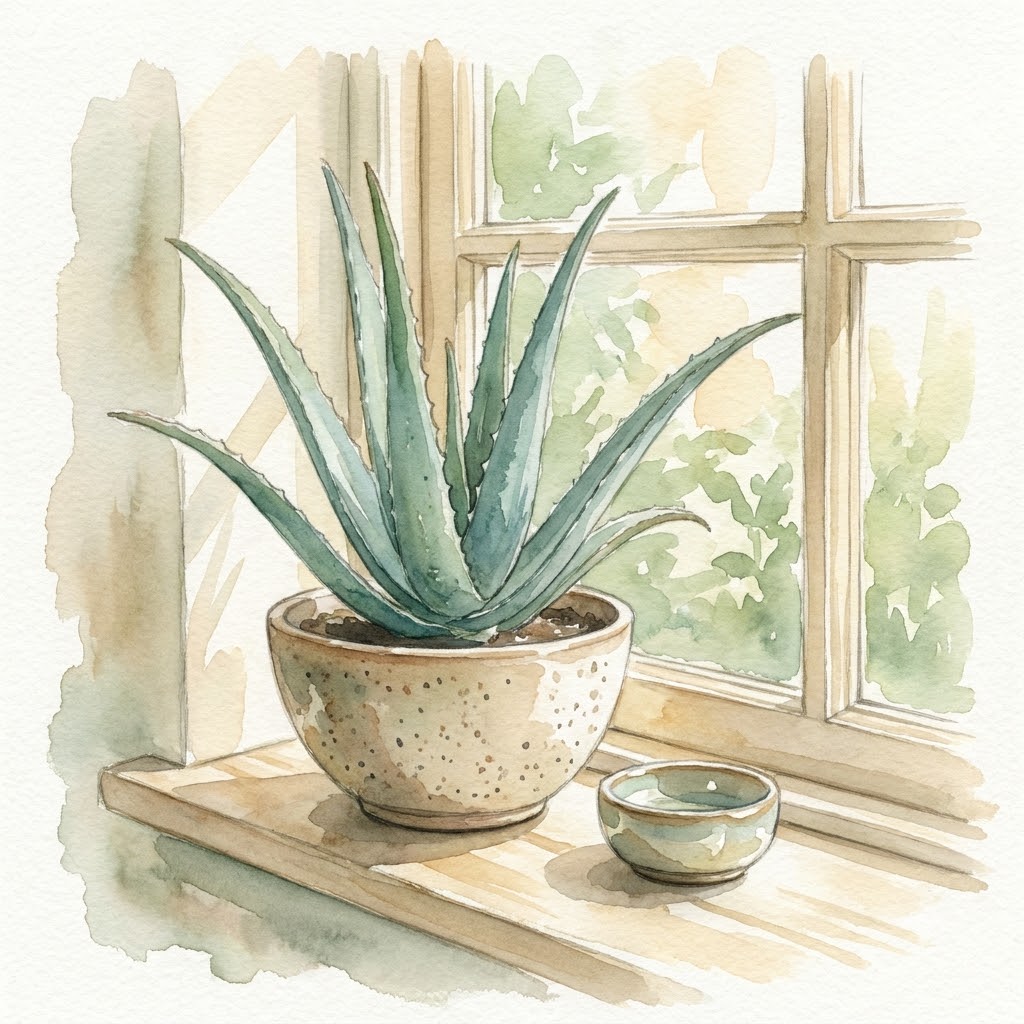
Aloe is a handy two-for-one: a sculptural plant and a source of soothing gel for minor burns or dry skin. It needs bright light and very little water.
Best for: sunny windowsills and practical plant lovers.
Note: toxic to pets.
6. Spider Plant
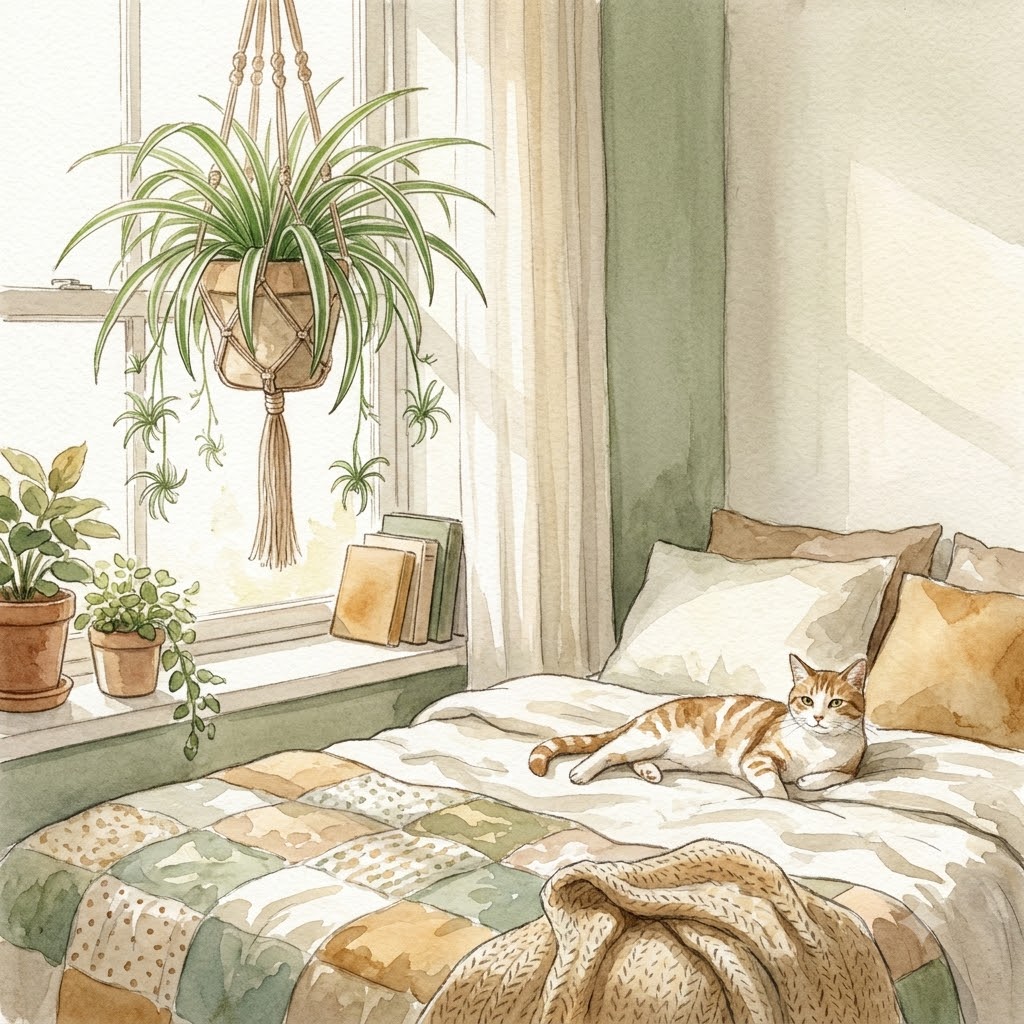
Spider plants are cheerful, easy, and one of the best pet-safe options around. They like bright, indirect light and produce little “babies” you can replant or share with friends.
Best for: pet owners and first-time plant parents.
7. Jasmine
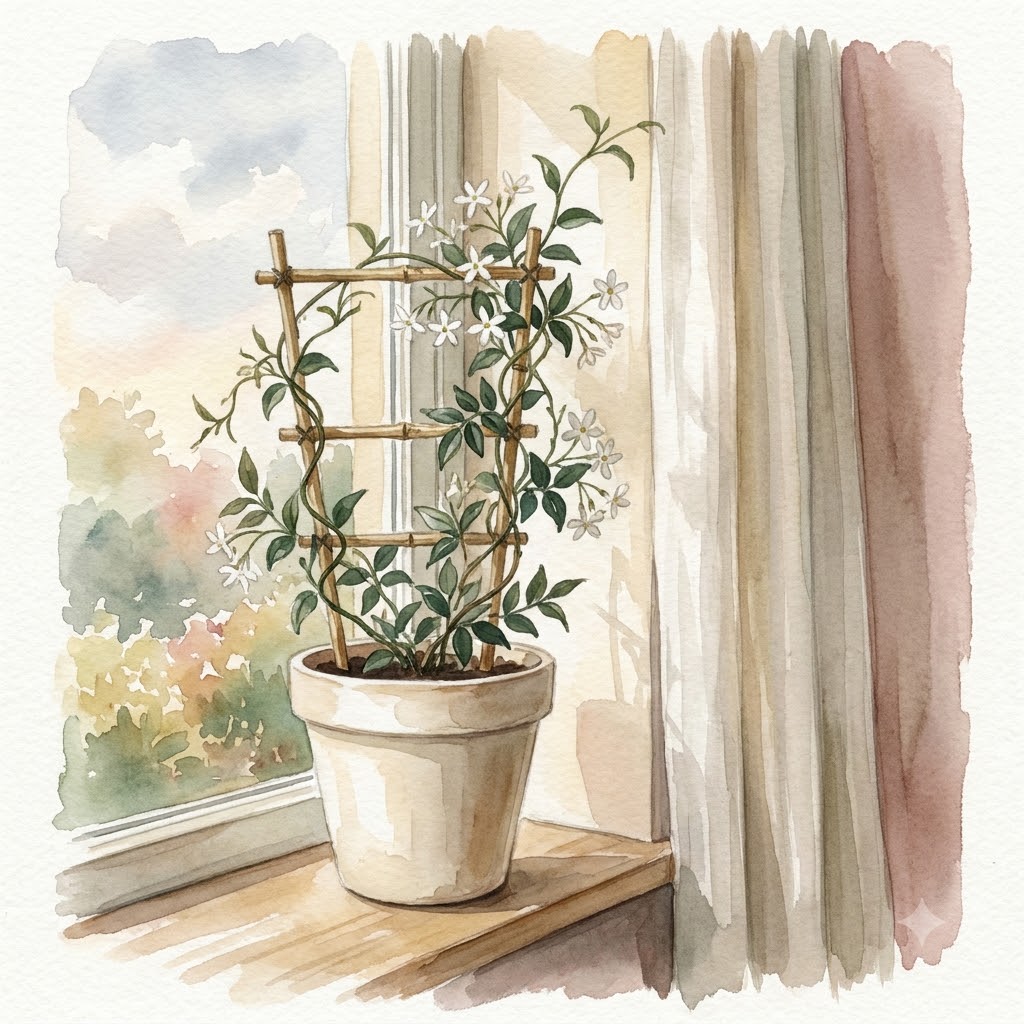
Jasmine’s sweet fragrance makes it a favorite for bedrooms, and some early research hints its scent may have calming effects. It needs bright light and a bit more attention than the others.
Best for: anyone who loves a fragrant room.
Note: true jasmine is generally considered pet-safe.
Pot, Place, and Style Your Bedroom Plants
Once you’ve picked your plants, a little thought about setup goes a long way.
Choose the right pots. Drainage holes are non-negotiable. Without them, water collects at the bottom and rots the roots. If you love a decorative pot without holes, use it as a cover and keep the plant in a plastic nursery pot inside.
Match plants to light. Put sun-lovers like lavender, aloe, and jasmine near your brightest window. Save shadier corners and nightstands for snake plants, peace lilies, and pothos.
Have fun with styling. Group three plants of different heights on a dresser for an instant display. Hang a pothos or spider plant from a ceiling hook to save floor space. A simple floating shelf near a window can become a mini indoor garden. Keep things uncluttered, though. The goal is a calm room, not a jungle.
Build a Simple Care Routine
You don’t need hours a week to keep bedroom plants happy. Try this easy rhythm:
- Once a week: Check the soil with your finger. If the top inch is dry, water (except for snake plants and aloe, which prefer to dry out completely).
- Every couple of weeks: Wipe dusty leaves with a damp cloth so they can soak up light.
- Once a month: Rotate pots a quarter turn so plants grow evenly, and remove any yellow or dead leaves.
Here’s a bonus: plant care itself can be a mindful little ritual. Spending five quiet minutes watering and checking on your plants is a surprisingly nice way to slow down at the end of the day.
Common Mistakes to Avoid
Overwatering. This is the number-one plant killer. When in doubt, wait another day or two.
Ignoring light needs. A sun-loving plant in a dark corner will slowly fade. Check each plant’s needs before choosing its spot.
Forgetting about pets. Several popular plants are toxic to cats and dogs. If you have curious pets, stick with safer options like spider plants and jasmine, or keep other plants well out of reach.
Start With Just One
You don’t need to fill your bedroom overnight. Pick one plant from this list that fits your light and lifestyle, give it a good pot and a sunny (or shady) spot, and see how it feels. Chances are, you’ll be shopping for plant number two before long.
